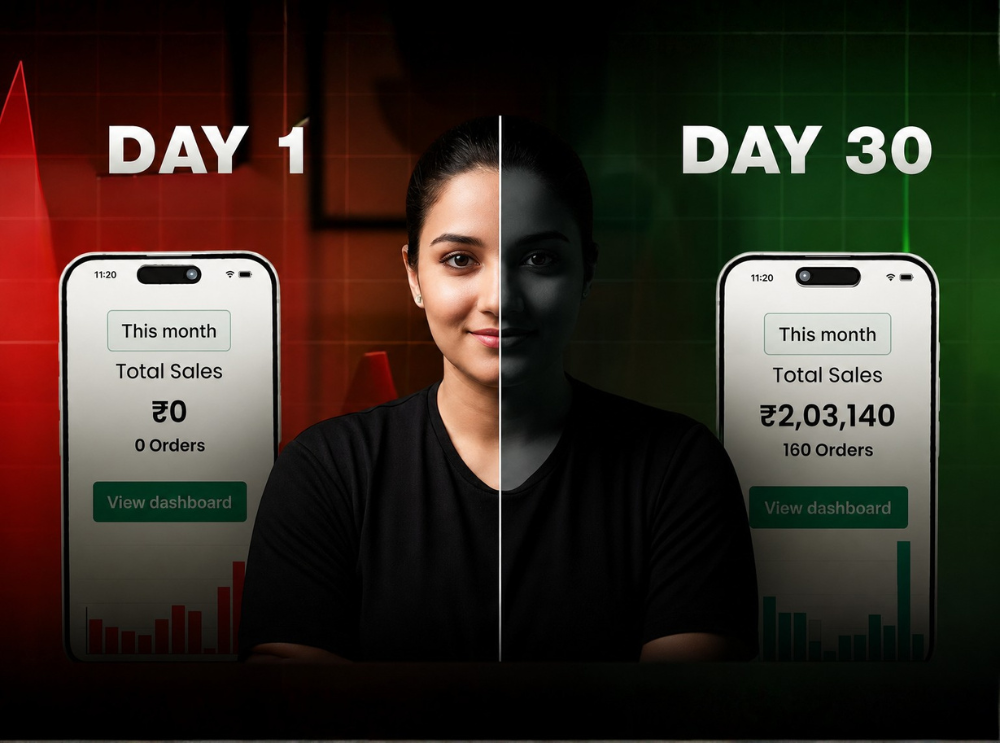
Start your own Alidrop free trial and see why it became our long-term dropshipping tool.
Try Alidrop Free →No credit card required · Cancel anytime · 7-day free trial
I want to tell you the actual story, not the polished version. When we started building out Startuplexa's dropshipping content and later ran our own test store, we did not land on Alidrop first. We didn't even land on it second. We tried three other apps before it, got burned by two of them, and only found Alidrop because a supplier rep mentioned it almost as an afterthought. This is that story — what went wrong with the other tools, what changed once we switched, and why Alidrop is the one we still recommend to anyone asking us where to start in 2026.
If you're searching for an honest answer on the best AliExpress dropshipping app, skip the "top 10 tools" listicles for a minute and read this instead. It's longer than most reviews, but it's the version I wish someone had written for us before we wasted two months on the wrong app.
Like most people getting into dropshipping, we started with the obvious choice — a free, well-known AliExpress importer everyone recommends in beginner guides. It worked fine for the first few weeks. Importing products was simple, the interface was familiar, and we didn't think twice about it. The problems showed up once we actually started getting orders.
Prices on AliExpress change constantly, and our free tool didn't sync fast enough. Twice, we had a customer pay for a product at one price, only for the supplier's listing to jump higher a day later, eating into a margin that was already thin. Order fulfillment also meant manually confirming each order on AliExpress ourselves — fine for five orders a week, miserable once we hit twenty. That's when we started actually looking for alternatives.
Next, we tried a more automated platform that a lot of creators talk about — I won't pretend it was bad, because it wasn't. Fulfillment was faster, and the product catalog felt more curated than raw AliExpress browsing. But the pricing structure stung. Once you factor in the monthly subscription plus the product markup built into their sourcing, our margins on lower-ticket items got uncomfortably thin. It's a solid tool for people selling higher-priced products with room to absorb that markup — for us, running a lean test-and-kill product strategy with cheaper items, it didn't pencil out.
For a stretch, we also tried moving off Shopify entirely and running a WordPress-based dropshipping plugin instead, mainly to avoid recurring app fees with a one-time payment model. On paper, this made sense — no monthly subscription, full control over the site, no platform lock-in. In practice, it meant we became our own IT department. Hosting, plugin conflicts, theme compatibility, and troubleshooting ate hours every week that should have gone into marketing and product testing. The savings on paper didn't hold up once we counted the time cost of running our own WordPress stack instead of a click-to-use Shopify app.
We found Alidrop almost by accident, mentioned in passing by a supplier contact who used it across a handful of client stores. The pitch that got our attention wasn't flashy — it was simple: one app, three sourcing networks (AliExpress, Alibaba, and Temu), a directory of vetted US and EU suppliers for faster shipping on key products, and real-time price and stock syncing so we wouldn't get burned by outdated listings again. We started the 7-day free trial expecting to be underwhelmed. We weren't.
The first thing that stood out was how little we had to think about the plumbing. Product imports carried over full data and images cleanly. Orders pushed to suppliers for fulfillment without us manually confirming each one. When a supplier changed a price or ran out of stock, our listing updated instead of silently staying wrong until a customer complained. It sounds small, but it was the exact failure point that had cost us money with our very first tool.
Fewer pricing surprises. With real-time monitoring across price and stock, we stopped selling products at a loss because a supplier quietly raised a price overnight.
Faster shipping on our best sellers. Once we moved our top three products to suppliers from Alidrop's US/EU directory instead of standard AliExpress listings, delivery times dropped noticeably, and refund requests tied to "where is my order" complaints dropped along with them.
Less app-hopping. Sourcing from AliExpress, Alibaba, and Temu inside one dashboard instead of three separate tools meant we stopped losing track of which product came from where — a genuinely underrated time-saver once your catalog grows past a handful of SKUs.
The AI product description tool actually got used. We were skeptical of this one going in, expecting generic filler text, but it turned out to be a real time-saver for bulk-importing a new batch of products without writing forty descriptions by hand.
Alidrop runs on four tiers, and all of them start with a 7-day free trial that doesn't require a credit card upfront — which matters if you've been burned before by a "free trial" that quietly charges your card.
| Plan | Monthly Price | Best For |
|---|---|---|
| Starter | ~$39.99/mo | Testing your first products, small catalog |
| Pro | ~$59.99/mo | Growing stores wanting more products & premium imports |
| Empire | ~$99.99/mo | Higher-volume stores, bulk order processing |
| Unicorn | ~$299.99/mo | Agencies & multi-store operations |
Yearly billing brings meaningful savings over paying monthly, and Alidrop also offers a $299 one-time custom store package if you'd rather launch with a pre-built, ready-to-sell storefront instead of building from scratch. Pricing and promotions shift, so check Alidrop's current plans before committing.
We're not the only ones who landed on Alidrop after trying other tools first. Here's a snapshot of the sentiment across the Shopify App Store, Capterra, and Trustpilot as of mid-2026.
Switched from a competitor after getting tired of stock levels being out of date. The real-time syncing alone was worth the switch — I stopped getting angry emails about sold-out products showing as available.
Having AliExpress, Alibaba, and Temu sourcing in one dashboard cut my product research time in half. I used to have three tabs open constantly comparing suppliers.
We manage a few client stores and the white-label features made it easy to run everything under our own branding. Support response time could be a little faster during peak hours, but overall a strong platform for scaling multiple stores.
I almost gave up on dropshipping after my first app made everything feel overly technical. Alidrop's onboarding actually walked me through setting up my first product without needing a YouTube tutorial open in another tab.
Not every review is glowing — some mention wanting faster support response during high-traffic periods, and a few early complaints (mostly from 2025) referenced billing confusion during the free trial that Alidrop's team has since clarified by making trial terms more visible at signup. We'd rather show you the honest range than pretend it's a perfect five-star product, because it isn't — no tool is.
| Feature | Alidrop | Free AliExpress Importers | WordPress Plugin Route |
|---|---|---|---|
| Multi-supplier sourcing | AliExpress, Alibaba, Temu | AliExpress only | AliExpress only |
| Real-time price/stock sync | Yes | Often delayed | Depends on plugin config |
| US/EU fast-ship suppliers | Built-in directory | No | No |
| Technical setup required | Minimal (Shopify app) | Minimal | Hosting, WordPress, plugin setup |
| AI store & description tools | Yes | No | No |
Someone starting their first store: The 7-day free trial with no card required means you can test the entire workflow, from import to fulfillment, before spending a dollar.
Anyone who got burned by outdated pricing before: If you've had a customer order something at a price the supplier no longer honors, the real-time sync alone justifies the switch.
Sellers who want faster shipping without sourcing manually: The US/EU supplier directory saves the hours we used to spend manually vetting AliExpress sellers for shipping speed.
Agencies managing multiple client stores: White-label branding and multi-store support make the higher tiers worth it if you're not running just one shop.
If you're dead-set on avoiding recurring subscriptions entirely and don't mind managing your own WordPress hosting, the plugin route still has a place — we just don't think the time savings you lose are worth the money you save, especially once you value your own hours honestly. And if you're running a single, ultra-high-ticket product store with wide margins, a more curated (and pricier) sourcing platform might justify its markup better than it did for our lower-ticket catalog.
Don't spend two months figuring this out the way we did. Start with the free trial, import five to ten products you'd actually want to sell, and pay attention to how much manual work the app removes versus how much it still leaves on your plate. The tool won't pick your winning product or write your ad copy for you — but it can stop you from losing money to the small, boring problems (wrong prices, slow shipping, out-of-sync stock) that quietly kill margins before you even notice.
That's genuinely the difference we felt switching to Alidrop. Not a dramatic overnight transformation — just fewer fires to put out, which meant more time actually spent on marketing and testing new products instead of fixing avoidable mistakes.
Is Alidrop good for beginners in dropshipping?
Yes — a 7-day free trial with no card required, guided onboarding, and a Starter plan built for testing a small catalog make it approachable for a first store.
How much does Alidrop cost?
Four tiers: Starter (~$39.99/mo), Pro (~$59.99/mo), Empire (~$99.99/mo), and Unicorn (~$299.99/mo), with yearly billing offering significant savings, plus a $299 one-time custom store option.
What makes Alidrop different from other AliExpress dropshipping apps?
One app for AliExpress, Alibaba, and Temu sourcing, a vetted US/EU supplier directory for faster shipping, real-time price/stock syncing, and built-in AI tools for store setup and product descriptions.
Is dropshipping still worth starting in 2026?
Yes, but success still comes down to product selection and marketing more than the tool itself — a platform like Alidrop removes technical friction and speeds up fulfillment, it doesn't replace the work of validating a niche.
We tried four different approaches before settling on Alidrop, and we're not writing this because it's the flashiest tool on the market — it's because it's the one that quietly stopped costing us money on things that had nothing to do with our actual product or marketing. If you're starting a dropshipping store in 2026, or you're tired of fighting the same small problems we did with an earlier tool, the free trial costs you nothing but a few minutes to test.
Start your free Alidrop trial and see the difference for yourself →
Written by David Chen
David covers ecommerce, AI tools, and online business software for Startuplexa, testing tools on real stores before publishing a review. Have a correction or update? Contact us.



This really encouraged me today, thank you for sharing!
Beautifully written. Sharing this with my family.
Exactly what I needed to read right now. Bless you for this.